Context and Rationale
In today’s audiovisual landscape, fiction series occupy a dominant position on television channels and streaming platforms. They capture the attention of broadcasters and audiences alike, pushing documentaries to the margins. Yet documentaries remain a living mirror of our societies — reflecting our realities, memories, and transformations.
Africa is rich with powerful stories, iconic figures, inspiring personalities, and social, economic, and cultural dynamics that are still rarely told. Many of these narratives remain untapped due to a lack of resources, training, and visibility.
It is within this context that the Documentary Series Lab in Africa was created — a training and support program dedicated to the development, writing, and production of African documentary series.
The project aims to:
Train a new generation of African writers and directors capable of creating ambitious documentary series rooted in local realities while open to the world;
Encourage innovative and accessible serialized documentary storytelling in order to portray our societies in new and lasting ways;
Create a space for exchange and co-production between professionals from the continent and the rest of the world;
Strengthen the presence of African documentaries on international platforms and within the programming schedules of public and private broadcasters.
By promoting the documentary series format, the Lab seeks to contribute to a stronger ownership of our stories and to enhance their visibility on a global scale.
Public Cible
The Documentary Series Lab in Africa program is aimed at:
documentary and radio documentary writers, directors, and editors;
as well as journalists wishing to develop a documentary series project currently in the writing or development phase.
The call for applications seeks to encourage the participation of talents from different countries across the continent in order to foster the diversity of African stories, perspectives, and documentary approaches.
Training Objectives
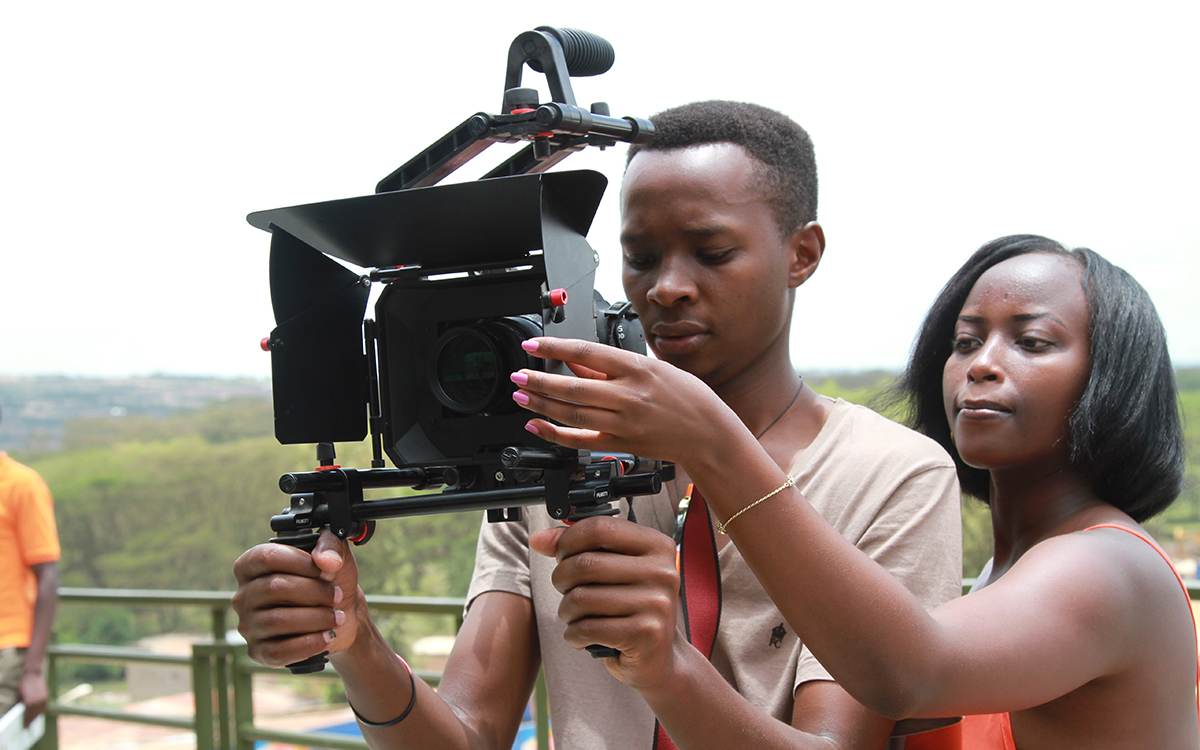
The objective of the training program is to equip participants with the creative, technical, and professional tools necessary for the design and development of a strong and original documentary series.
More specifically, the training will enable participants to:
Gain a solid understanding of the vocabulary and principles of serialized storytelling as applied to documentary filmmaking;
Adapt the narrative mechanisms of series formats (structure, characters, story arcs, pacing) to the specific demands and characteristics of documentary storytelling;
Develop collaborative skills, particularly in the context of co-writing projects (in pairs or teams);
Position their project within the African and international audiovisual landscape by identifying formats, expectations, and the needs of broadcasters and streaming platforms;
Structure and write a compelling presentation dossier for a documentary series project (director’s statement, synopsis, treatment, technical sheet, preliminary budget, etc.);
Practice oral presentation and pitching skills in order to defend their project with clarity, impact, and professionalism before a jury or potential partners (producers, broadcasters, institutions).
Programme Structure and Teaching Methodology
The “Documentary Series Lab” training program offers a progressive immersion into the world of serialized documentary storytelling, while supporting each participant in the concrete development of their own project.
Each participant benefits from personalized guidance within a writing workshop supervised by an experienced female writer-director and male writer-director, both recognized for their expertise in the creation and production of documentary series.
The teaching methodology is based on a balanced approach combining:
Theoretical input (analysis of narrative structures, character development, the challenges of reality-based storytelling, and documentary staging);
Contemporary case studies drawn from African and international documentary series;
Practical exercises in writing, analysis, and the redevelopment of ongoing projects;
Group sessions designed to encourage the exchange of experiences, constructive feedback, and collaborative work.
Guest professionals from the documentary, serialized production, and international co-production sectors will contribute to the program by sharing their professional experience and insights.
These sessions will notably address:
The evolution of documentary series formats;
The place of the genre within media outlets and streaming platforms;
Distribution strategies;
As well as funding and co-production opportunities at both African and international levels.

The mentors
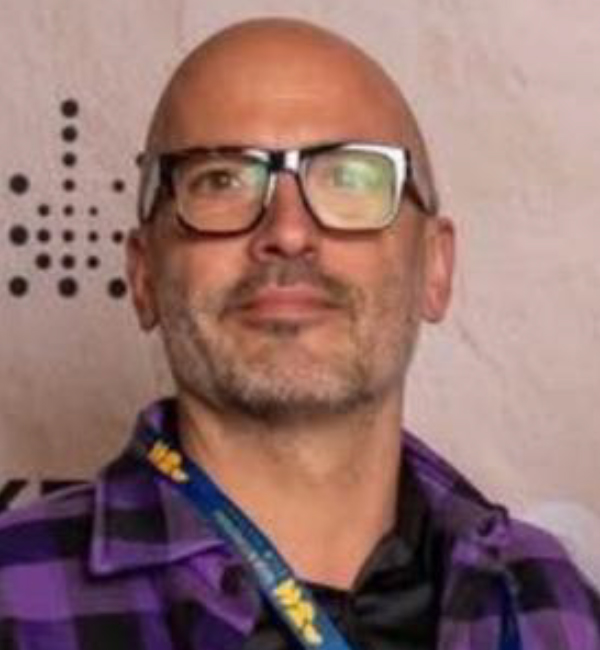
Olivier DAUNIZEAU
Screenwriter, Consultant, and Trainer
Olivier Daunizeau specializes in documentary writing, with over ten years of experience and more than 200 collaborations across film, television, and radio.
He is co-writer of international documentary series currently in production such as Antarctica, Time of Heroes and Play It Like Djourou, and co-author of the collection L’atelier 205 (FIFA Montréal selection, broadcast on france.tv). He is also the writer-director of the radio documentary The Money of the Dead for France Culture, and has contributed to notable projects such as High School Radical (Arte.tv) and the award-winning podcast Inside Kabul (France Inter, Prix Italia 2023).
Alongside his writing work, he serves as a tutor for SCAM, a feature film consultant at Maison du Film, and works as a trainer in several leading institutions (La Fémis, INA, FIPADOC, Africadoc, Université Paris 1, Bordeaux 3).
He has also held pedagogical leadership positions at INA and La Fémis, while developing a career as a producer of documentaries selected and awarded at international festivals.
His initial academic background in mathematics (Bachelor’s degree, CAPES teaching qualification, Master’s degree) reflects a strong scholarly foundation prior to his transition into audiovisual creation.
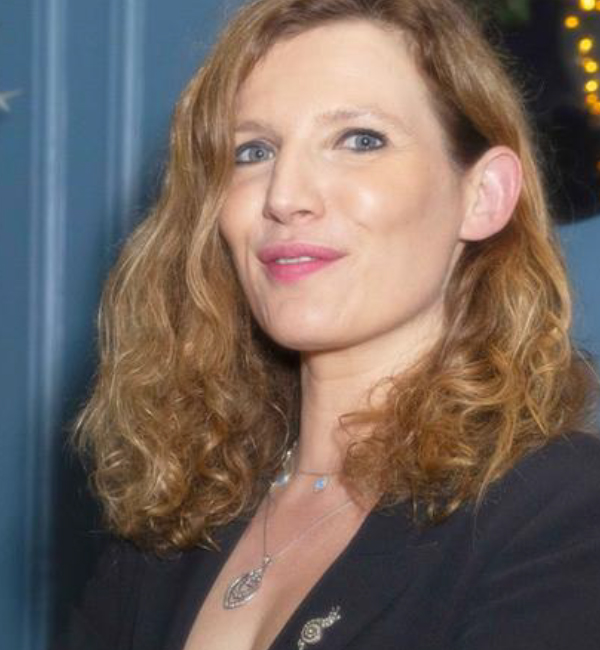
Olivier DAUNIZEAU
Screenwriter and Director
Yvonne Debeaumarché has written and directed more than twenty social and creative documentaries, primarily for ARTE and France Télévisions.
She explores reality through a wide range of formats — from documentary series to more personal and experimental works — and is among the first French directors to have collaborated with an international platform, co-writing and co-directing the Netflix series Grégory, which was acclaimed by both critics and audiences.
In her most recent standalone films, she blends autofiction with observational cinema, playing with multiple narrative layers, as seen in Voyance, Amour et Confinement (France TV, 2020) and Les Jeunesses (France TV, 2024).
Her ability to bring out personal testimony and stage human connection distinguishes her work, all marked by a sensitive and symbolic visual language. She is also co-writer, co-director, and showrunner of the series GAÏALAND, a European co-production (ARTE–RTBF–YLE), selected by FIPADOC among the five best series of 2023 and awarded Best Documentary Series at the Luchon Television Festival the same year.
Admission Requirements and Procedure
To submit your application, please complete the online form and upload the following documents:
An up-to-date CV (PDF format, 1 file);
A project presentation document (maximum 3 pages, PDF format), including:
A project summary;
A director’s statement;
The current status of the documentary research (documentation, fieldwork, location scouting, access to interviewees, archives, etc.);
The intended series format (e.g., 4 × 45 min, 8 × 26 min, 12 × 5 min, mini-series, or multi-season series);
A digital passport-style photo (JPG format);
A scanned copy (front and back) of an identity document (JPG format).